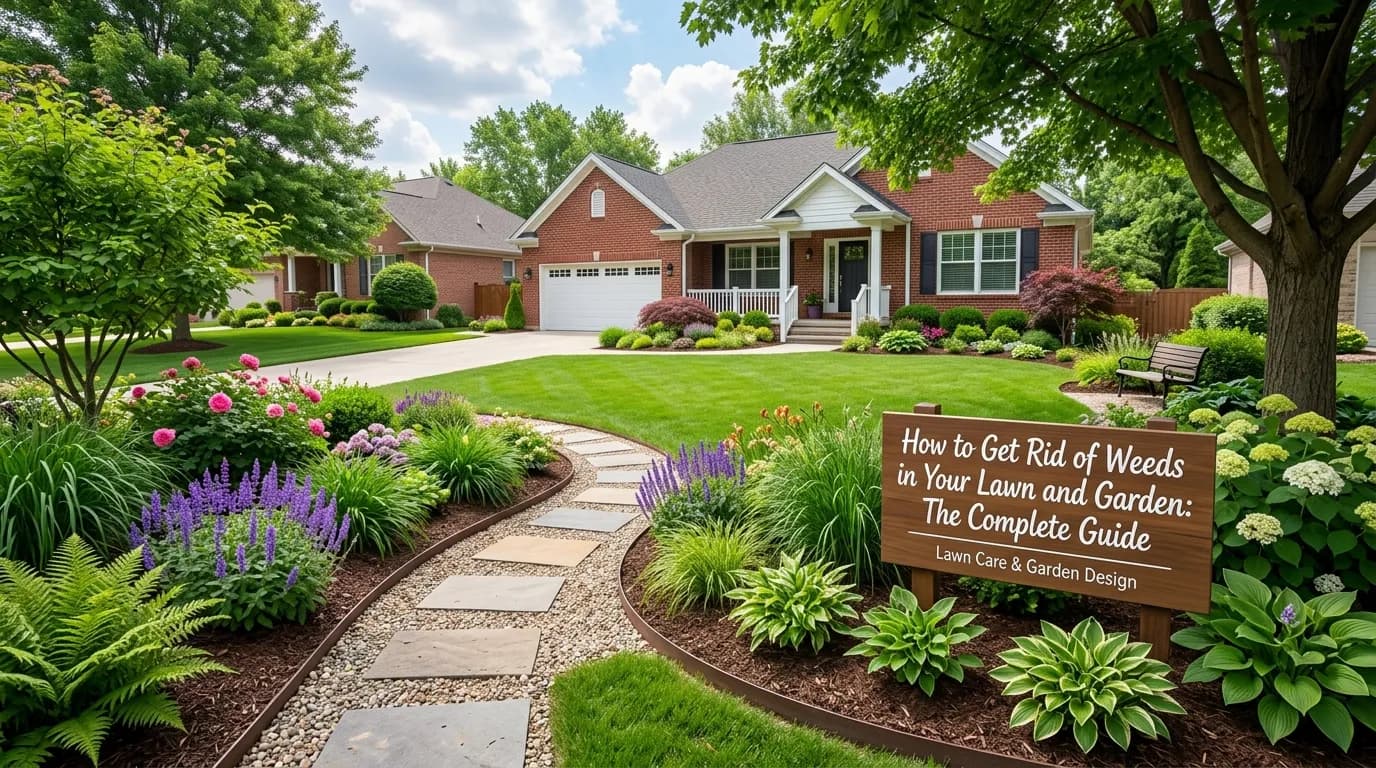
Weeds are the universal enemy of every homeowner who has ever tried to maintain a beautiful yard. They appear overnight, spread aggressively, steal water and nutrients from the plants you actually want, and some — like thistle and bindweed — can be nearly impossible to eradicate once established. The good news: with the right strategy, you can get rid of weeds for good without spending every weekend on your knees.
This complete guide covers why weeds grow, how to identify the most common lawn and garden weeds, the most effective removal methods (manual, organic, and chemical), and — most importantly — how to prevent them from coming back.
Why Weeds Keep Coming Back (And How to Stop the Cycle)
Before you can win the war on weeds, you need to understand why they're there in the first place. Weeds aren't random — they're opportunists. They thrive in bare soil, compacted earth, nutrient-depleted areas, and thin lawns. Every weed you see is exploiting a weakness in your landscape.
The three root causes of weed problems:
- 1Bare or thin soil — No plants covering the ground means sunlight reaches weed seeds and triggers germination. The fix is ground cover: dense plantings, thick mulch, or healthy turf.
- 2Compacted soil — Poor drainage and compaction favor weeds like dandelions and plantain that break through hard earth. Aerate your lawn annually and amend garden beds with compost.
- 3Shallow watering — Frequent shallow watering keeps the top inch of soil moist — exactly where weed seeds need moisture to germinate. Deep, infrequent watering forces grass roots deeper while letting the weed seed zone dry out.
The weed seed bank problem: A single dandelion produces 15,000 seeds per year. A square foot of undisturbed soil can contain 100+ viable weed seeds that persist for 5–40 years. This is why you must prevent seed-set at all costs — remove weeds before they flower and go to seed.
The Most Common Lawn and Garden Weeds
Dandelion (Taraxacum officinale)
The most recognizable weed in North America. Deep taproot (up to 10 inches) means hand-pulling without a weeder tool leaves the root, and the plant regrows. Remove with a dandelion digger or apply targeted herbicide. Best time to treat: fall, when the plant transports nutrients (and herbicide) to the root.
Crabgrass (Digitaria spp.)
Annual grassy weed that thrives in hot, dry, compacted soil. Germinates when soil reaches 55°F for several consecutive days. Prevention is far easier than removal — apply a pre-emergent herbicide in early spring (soil temp 50–55°F). Once established, post-emergent herbicide (quinclorac) or hand-removal while young.
Bindweed (Convolvulus arvensis)
One of the most difficult weeds to eradicate. Vining habit, white trumpet-shaped flowers. Roots can go 20 feet deep. Repeated applications of glyphosate at bloom time (when the plant is most vulnerable) plus persistent physical removal over multiple seasons is required.
Chickweed (Stellaria media)
Cool-season annual that thrives in moist, fertile soil. Low-growing, forms dense mats. Easy to hand-pull when young and moist but sets seed quickly. Mulch heavily in fall to prevent winter germination.
Purslane (Portulaca oleracea)
Fleshy succulent annual with reddish stems. Thrives in dry, poor soil in full sun. Can actually be eaten (nutritious salad green). Segment of stem left in soil re-roots easily — bag and dispose, don't compost. Pre-emergent herbicides work well.
Nutsedge (Cyperus esculentus)
Looks like grass but is a sedge — identifiable by its triangular stem and glossy, bright yellow-green color. Thrives in wet, poorly draining areas. Not controlled by broadleaf herbicides. Requires sedge-specific products (halosulfuron-methyl) or removal of the underground tubers.
Thistle (Cirsium spp.)
Biennial with spiny leaves and purple flowers. First year forms a rosette; second year sends up a 4-foot flower stalk. Dig out the taproot in year one. Never let it flower — a single plant produces 4,000 seeds.
5 Methods to Remove Weeds — From Gentlest to Most Aggressive
Method 1: Hand Removal (Best for Small Areas and Garden Beds)
The oldest and most sustainable method. Most effective after rain when soil is moist and roots slide out cleanly.
Tools to use:
- Dandelion digger / weeding fork — Long, forked tool for taprooted weeds (dandelions, thistles). Get the full root.
- Hori-hori knife — Japanese garden knife, invaluable for slicing through grass-like weeds and prying out clumps.
- Cape Cod weeder — Hooked blade, excellent for working between plants in beds.
- Stand-up weeder — Foot-operated, saves your back for large areas.
Technique: Insert the tool 2–3 inches from the stem at a 45° angle, lever upward while gripping the stem, and extract the root intact. Discard in the trash (not compost) if the weed has set seed.
Method 2: Mulching (Best Prevention and Long-Term Control)
A 3-inch layer of organic mulch (shredded wood, bark, straw) blocks sunlight from reaching weed seeds and dramatically reduces germination. This is the single most cost-effective weed prevention strategy for garden beds.
Mulching rules:
- Apply 3 inches deep — 1 inch isn't enough, 6 inches suffocates some perennials
- Pull existing weeds before mulching — don't bury living weeds
- Refresh mulch each spring as it decomposes (decomposed mulch is great for soil)
- Keep mulch 2–3 inches away from plant stems to prevent rot
- Avoid dyed or rubber mulch — they don't improve soil and can harm plants
Cost: Bulk mulch runs $25–$45/yard delivered, covering about 100 sq ft at 3 inches deep per yard.
Method 3: Natural / Organic Herbicides
Vinegar (acetic acid): Household vinegar (5% acetic acid) or horticultural vinegar (20–30% acetic acid) burns the foliage of young annual weeds on contact. Non-selective — will kill any plant it touches. Effective on young weeds, less effective on perennials (kills tops but roots resprout). Works best in full sun on young seedlings.
Corn gluten meal: Pre-emergent organic herbicide that inhibits seed germination. Apply in early spring before weed seeds germinate. 20 lb per 1,000 sq ft. Also adds nitrogen to the soil (10-0-0). Takes 2–3 seasons of consistent application to show significant results.
Boiling water: Extremely effective for weeds growing in cracks in pavement, driveway edges, and patios. Pour directly on the crown of the plant. No chemicals, no residue. Kills roots as well as tops on small weeds.
Flame weeder: Propane torch that kills weeds with heat. Effective for large areas like gravel driveways and pathways. Brief exposure (1–2 seconds) is enough — you're wilting cells, not burning the plant. Not suitable near dry mulch or combustible materials.
Method 4: Solarization (Best for New Beds with Heavy Weed Pressure)
Clear plastic sheeting laid over moist soil in summer creates a heat chamber that kills weed seeds, roots, and soil pathogens down to 6 inches. Leave in place for 4–8 weeks. Highly effective preparation for new garden beds — kills even bindweed tubers and nutsedge with extended treatment.
Method 5: Herbicides (Most Effective for Large Areas and Persistent Weeds)
Pre-emergent herbicides prevent weed seeds from germinating. Apply before weed season:
- Spring (crabgrass prevention): when forsythia blooms, or soil temp reaches 50°F
- Fall (winter annual prevention): September–October
- Products: prodiamine, pendimethalin (lawn), corn gluten meal (organic)
- Do NOT use if you're overseeding grass — will prevent grass seed germination too
Post-emergent herbicides kill existing weeds:
- Broadleaf selective (2,4-D, dicamba, MCPA): Kills dandelions, clover, plantain in lawn without harming grass. Available as ready-to-spray or concentrate. Spot-treat for best results.
- Grass-selective (fluazifop, sethoxydim): Kills grassy weeds in flower beds without harming broadleaf plants.
- Non-selective (glyphosate): Kills everything — use only in areas where you want complete plant kill. Not appropriate for lawns. Best applied on a calm, dry day to avoid drift onto desired plants.
- Organic option (Iron HEDTA — Fiesta): OMRI-listed broadleaf herbicide for lawns. Works in 24 hours, safe around children and pets.
Application tips: Apply on a calm day (no rain forecast for 24–48 hours). Wear gloves and eye protection. Spot-treat rather than broadcast-spray when possible — use less product, causes less environmental impact. Read the label — it's legally required.
🌿 Ready to design a yard that's naturally weed-resistant? Dense plantings, the right mulch depths, and intelligent ground cover selection are the foundation of a low-weed landscape. See 3 AI-designed layouts for your yard →
How to Get Rid of Weeds in Your Lawn Specifically
Lawn weeds require a different approach than garden bed weeds because you're working around desirable grass.
Step 1: Identify what type of weeds you have
- Broadleaf weeds (dandelion, clover, plantain, chickweed): Easily controlled with selective broadleaf herbicides
- Grassy weeds (crabgrass, nutsedge): Require grass-selective or grass-specific herbicides
- Mixed infestation: May require multiple product types
Step 2: Decide on spot treatment vs. full-lawn treatment
If weeds are isolated patches (under 20% coverage), spot-treat with a pump sprayer. If weeds are widespread (over 30–40%), a broadcast spreader or hose-end sprayer is more efficient.
Step 3: Thicken the lawn after treatment
The best long-term weed control is a thick, healthy lawn with no bare spots. After treating existing weeds:
- Overseed thin areas in fall (cool-season grasses) or late spring (warm-season grasses)
- Apply starter fertilizer to support new grass establishment
- Water new seed daily until established
Lawn weed prevention calendar:
| Timing | Task |
|---|---|
| Early spring (soil 50°F) | Apply pre-emergent for crabgrass |
| Late spring | Spot-treat broadleaf weeds before seed-set |
| Summer | Mow high (3.5–4"), deep water 1x/week — stresses weeds |
| Late summer | Overseed thin areas |
| Fall | Broadleaf herbicide (best absorption season), pre-emergent for winter annuals |
How to Prevent Weeds Long-Term: The 6-Point Strategy
- 1Mow high — Most lawn grasses prefer 3–4 inch mowing height. This shades out weed seedlings at the soil surface. Every half-inch matters.
- 2Water deeply, infrequently — 1 inch per week in one or two sessions, not daily. Deep watering favors deep-rooted grass over shallow-rooted weeds.
- 3Never leave bare soil — Plant groundcovers, apply mulch, or overseed. Bare soil = open invitation for weed colonization.
- 4Remove weeds before they go to seed — One missed dandelion = 15,000 new seeds. Patrol your yard regularly in spring and early summer.
- 5Apply pre-emergent on schedule — Set a reminder for forsythia bloom time and early fall. Consistent pre-emergent application dramatically reduces weed pressure over 2–3 years.
- 6Maintain soil health — Aerate compacted lawn areas annually. Top-dress with compost to improve drainage and crowd out weed-friendly conditions.
The Hardest-to-Kill Weeds and What Actually Works
Bindweed: Multiple glyphosate applications (3–4 per season) timed to bloom stage, combined with black plastic solarization over winter. Persistence over 3+ years is required.
Nutsedge: Halosulfuron-methyl (Sedgehammer) plus improved drainage. Fix the wet soil conditions that allow nutsedge to outcompete grass.
Thistle: Dig out taproots before flowering. For large infestations, triclopyr-based broadleaf herbicide in fall.
Canada thistle: (Different from common thistle — spreads by underground rhizomes.) Requires systemic herbicide that travels through the root system. Apply repeatedly when actively growing.
Cost Summary: Weed Control Options
| Method | DIY Cost | Coverage | Best For |
|---|---|---|---|
| Hand weeding | Labor only | Spot treatment | Small beds, taproot weeds |
| Organic mulch | $25–$45/yard | 100 sq ft/yard | All garden beds |
| Pre-emergent herbicide | $20–$50/bag | 5,000 sq ft | Lawn, large areas |
| Broadleaf spot spray | $10–$25/bottle | Up to 1,000 sq ft | Lawn weeds |
| Glyphosate concentrate | $20–$40 | Large areas | Total vegetation kill |
| Professional service | $50–$150/visit | Full property | Severe infestations |
The most cost-effective long-term strategy: mulch + pre-emergent + mow high — invest in prevention rather than perpetual reactive treatment.
When to Call a Professional
Consider professional weed control when:
- You have a large property (over 5,000 sq ft) with heavy weed pressure
- Weeds have been established for years and have a deep seed bank
- You're dealing with noxious weeds (bindweed, kudzu, Japanese knotweed) that require specialized treatment
- You want a comprehensive integrated pest management program with multiple visits
Professional lawn care companies charge $50–$150 per visit or $300–$600/year for a full weed control program including fertilization.
Final Takeaway
Getting rid of weeds permanently requires a three-part approach: remove existing weeds thoroughly, prevent new ones from germinating with pre-emergents and mulch, and fill the landscape with desirable plants that crowd out future weeds. There's no magic one-time solution — but with the right habits and a seasonal schedule, weed pressure drops dramatically each year until it's barely manageable with minimal effort.
Start this weekend: pull the weeds you see before they go to seed, apply mulch to your bare beds, and set a calendar reminder for pre-emergent herbicide next spring. That single investment of one afternoon will have visible results for years.
Design a weed-resistant yard with AI-powered plant selection →