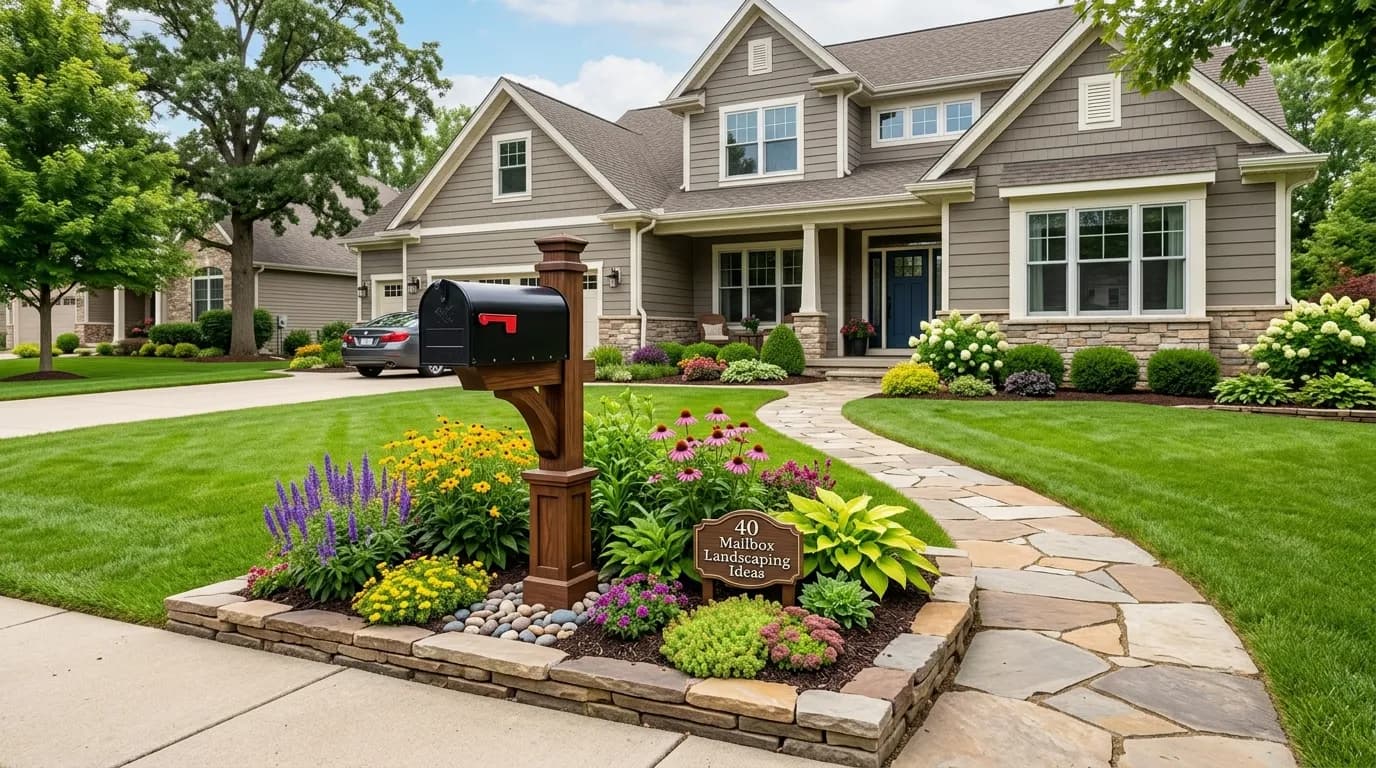
Your mailbox sits right at the street — it's one of the very first things anyone sees when approaching your home. Yet it's one of the most overlooked landscaping opportunities. A small flower bed, a climbing vine, or a cluster of well-chosen plants around your mailbox post can dramatically improve your curb appeal for under $100.
Here are 40 mailbox landscaping ideas to inspire your next weekend project.
Why Mailbox Landscaping Matters
The area around your mailbox is highly visible: it's at eye level, at street level, and unobstructed by fences or other landscaping. Real estate agents call curb appeal the "30-second impression" — the judgment a buyer or visitor forms before they reach the front door. Your mailbox area is front and center in that judgment.
Studies by the American Society of Landscape Architects suggest that well-executed front yard landscaping can add 5–15% to perceived home value. A planted mailbox box is a tiny part of that — but it's one of the cheapest and fastest improvements you can make.
Simple Mailbox Garden Designs
1. The Classic Cottage Circle
Dig a circular bed 3–4 feet in diameter around your mailbox post. Plant with a mix of daylilies (background), black-eyed Susans (mid), and sweet alyssum (edging). Add a layer of bark mulch. Total cost: under $60. Total time: one afternoon.
2. Symmetrical Rectangle Bed
Create a rectangular bed 2 feet wide extending 3 feet on each side of the mailbox post. Use identical plantings on each side for a formal, balanced look. Great for traditional and Colonial-style homes. Boxwood, dwarf yaupon holly, or ornamental grasses work well.
3. Flowing Oval Bed
An organic oval shape feels relaxed and cottage-like. Use flowering perennials: coneflowers, salvias, catmint, and ornamental grasses. Let the plants fill in freely for a loose, natural look.
4. Simple Ring of Annuals
For instant color with zero permanence, ring the mailbox post with a single layer of annual petunias, impatiens, or marigolds. Change the color scheme each season. This is the $20 option that still makes a strong impression.
5. Rock Border Mailbox Garden
Edge a small bed with river rocks or landscape boulders, then fill with drought-tolerant plants: sedum, ornamental grasses, and native wildflowers. The rocks suppress weeds, retain moisture, and look polished year-round.
Climbing Plants on Mailbox Posts
6. Climbing Rose
A climbing rose trained up a wooden mailbox post creates a stunning, romantic look. Choose a disease-resistant variety like 'New Dawn', 'Don Juan', or 'Fourth of July'. Train stems up the post and around the mailbox arm. Blooms in late spring and repeat-blooms into fall.
7. Black-Eyed Susan Vine (Thunbergia)
This cheerful annual vine produces orange and yellow flowers all summer and climbs quickly around a wooden or metal post. Plant 2–3 seedlings at the base in late spring.
8. Sweet Pea
For spring fragrance and color, sweet peas climb beautifully around a rough post. Plant seeds in early spring and enjoy flowers from late April through June. Let them scramble up with minimal guiding.
9. Moonflower Vine
Moonflowers open in the evening, creating a magical effect in the front yard. Plant with a morning glory for complementary day/night bloom cycles. Both vines reach 10–15 feet quickly.
10. Clematis
A perennial clematis vine returns every year, covers a post beautifully, and blooms in purple, pink, or white depending on variety. 'Jackmanii' (purple) and 'Niobe' (red) are proven performers. Pair with a trellis nailed to a wooden post.
Low-Maintenance Mailbox Landscaping
11. Native Wildflower Mix
Scatter a native wildflower seed mix around the mailbox base in early spring. Black-eyed Susans, coneflowers, native sunflowers, and prairie grasses fill the area with color, attract pollinators, and need almost no care once established.
12. Daylilies
Daylilies are arguably the most foolproof mailbox planting: they tolerate drought, poor soil, road salt spray, and neglect. They spread slowly to fill the bed and bloom for weeks in summer. Choose 'Stella de Oro' (yellow, reblooms) or 'Happy Returns' (yellow, compact).
13. Ornamental Grasses
Karl Foerster grass, blue oat grass, or fountain grass around a mailbox provides year-round structure with virtually no maintenance. Bronze and gold fall color extends the seasonal interest well into November.
14. Lavender
In zones 5–9, lavender planted around a mailbox is drought-tolerant, deer-resistant, fragrant, and attracts pollinators. Space 3–4 plants around the post for a Provençal look that requires only occasional pruning.
15. Sedum 'Autumn Joy'
This succulent perennial is bulletproof: drought-tolerant, deer-resistant, and beautiful from spring through fall. Pink flowers in August–September age to rusty red and persist through winter. Plant a cluster of 3 around the post.
Seasonal Mailbox Garden Ideas
16. Spring Bulb Garden
In fall, plant tulips, daffodils, and muscari in a circle around your mailbox. In April, when everything else is dull, your mailbox will explode with color while the rest of the yard is still waking up. After they fade, summer perennials fill in.
17. Summer Annual Rotation
Keep a pot or small bed area designated for summer annuals: petunias, marigolds, or zinnias. Replant each spring. For the lowest-effort version, choose petunias — they bloom continuously with no deadheading required (self-cleaning varieties like 'Wave').
18. Fall Mailbox Display
In late summer, transition to fall plantings: ornamental kale, mums, asters, rudbeckia, and decorative gourds on either side of the post. Add a few pumpkins at the base for a festive seasonal look.
19. Winter Interest
Don't let your mailbox look bare in winter. Plant a small evergreen (dwarf boxwood, green mountain arborvitae, or a compact holly) that maintains structure year-round. Add winter berry branches, red-twig dogwood stems, or decorative stakes for seasonal color.
Mailbox Landscaping by Style
20. Cottage Style
Overflowing flowers, informal shape, mixed planting — roses, foxglove, alyssum, nepeta. Let plants spill loosely around the post. The slightly messy-but-romantic cottage look is impossible to get wrong.
21. Modern Minimalist
A rectangular raised bed with clean steel edging, filled with ornamental grasses or agave (warm climates), with white marble gravel mulch. One species, clean lines, no clutter.
22. Farmhouse/Country
Sunflowers flanking the mailbox post, wildflowers around the base, and a wooden rail fence section nearby. Add a hand-painted mailbox to complete the look.
23. Mediterranean
Lavender, rosemary, and ornamental sage around the base with gravel mulch. In zones 7+, this is essentially zero-maintenance — Mediterranean plants are bred for drought and neglect.
24. Woodland/Naturalistic
Hostas, ferns, and astilbe around a shaded mailbox post. Works beautifully if large trees overhang the street. Add a layer of leaf mulch for a natural forest-floor appearance.
25. Tropical
In zones 9–11, use cannas, elephant ears, bird-of-paradise, or dwarf palms for a bold tropical mailbox planting. Colorful caladiums fill the understory with vibrant foliage.
Raised Beds Around Mailboxes
26. Timber-Frame Raised Bed
Build a simple 12-inch-high raised bed with cedar, redwood, or composite lumber. Fill with quality topsoil. The elevated planting area looks intentional and is easy to maintain. Plant daylilies, coneflowers, and catmint.
27. Stone or Brick Raised Ring
Stack natural stone or bricks in a ring 18–24 inches high around the mailbox post. Fill with soil and plant with colorful annuals or drought-tolerant perennials. This approach is completely DIY-friendly and lasts decades.
28. Gabion Basket Planter
Fill a small wire gabion basket with rocks and mount it beside the mailbox post as a planter. Fill the top section with soil and plant succulents or sedums for a unique, architectural look.
Practical Mailbox Landscaping Tips
29. Keep It Mail-Carrier Friendly
Regulations vary, but generally keep plants away from the mailbox door and don't obstruct the path to deliver mail. Leave 12–18 inches of clearance on all sides of the mailbox opening. Avoid thorny plants (like roses) immediately beside the opening.
30. Anchor Your Post
If you're installing a new mailbox post alongside the new planting, set it in concrete 18–24 inches deep for stability. A leaning mailbox post undermines all your beautiful planting.
31. Handle Road Salt
Plants near the street are exposed to road salt spray in winter. Choose salt-tolerant plants: daylilies, black-eyed Susans, rugosa roses, ornamental grasses, and certain sedums handle road salt better than others. Avoid arborvitae, which are salt-sensitive.
32. Consider Traffic and Mowing
Keep the bed footprint manageable — large beds around mailboxes become obstacles for mowing equipment. A 3–4 foot diameter circle is the sweet spot: big enough to look impressive, small enough to stay tidy.
Cost Guide: Mailbox Landscaping
| Approach | DIY Cost | Installation Cost |
|---|---|---|
| Annual flowers (petunias/marigolds) | $15–30 | $75–150 |
| Perennial bed (daylilies, coneflowers) | $40–80 | $150–300 |
| Climbing vine + trellis | $25–50 | $100–200 |
| Raised timber bed + plantings | $80–150 | $250–500 |
| Stone ring bed + plantings | $100–200 | $300–600 |
| Full professional design + install | N/A | $400–1,200 |
The DIY route is entirely manageable for mailbox landscaping — it's a small, contained project. Most homeowners can execute a beautiful mailbox garden in a single weekend for under $100.
Design Your Full Front Yard Plan
Your mailbox garden is a great starting point, but the most impactful curb appeal improvements come from a cohesive front yard design — where the mailbox, front walkway, foundation plantings, and lawn all work together.
Yardcast's AI landscape design tool generates a custom visual design for your entire front yard in under 60 seconds. Describe your home style, current conditions, and preferences — and get a professional-quality concept to work from.
👉 [Generate your free front yard design preview →](/redesign)
33–40: More Quick Mailbox Ideas
- 33. Herb border: Plant creeping thyme, basil, or rosemary for a fragrant, edible mailbox garden
- 34. Painted rock edging: Use hand-painted rocks to create a cheerful, low-cost border
- 35. Solar lights: Add solar stake lights on either side of the mailbox for evening visibility and drama
- 36. Decorative post cap: A copper, solar-lit, or ornamental post cap costs $10–$30 and instantly elevates the look
- 37. Hanging basket arm: Attach a decorative arm to the post and hang a seasonal flower basket
- 38. Flag holder planting: Add small American flags or seasonal flags to the post; plant patriotic red, white, and blue annuals below
- 39. Bird bath: A small birdbath near the mailbox creates a welcoming, cottage-garden vignette
- 40. Painted mailbox: Don't forget the mailbox itself — a freshly painted or new decorative mailbox costs $20–$80 and is the ultimate quick-win upgrade